
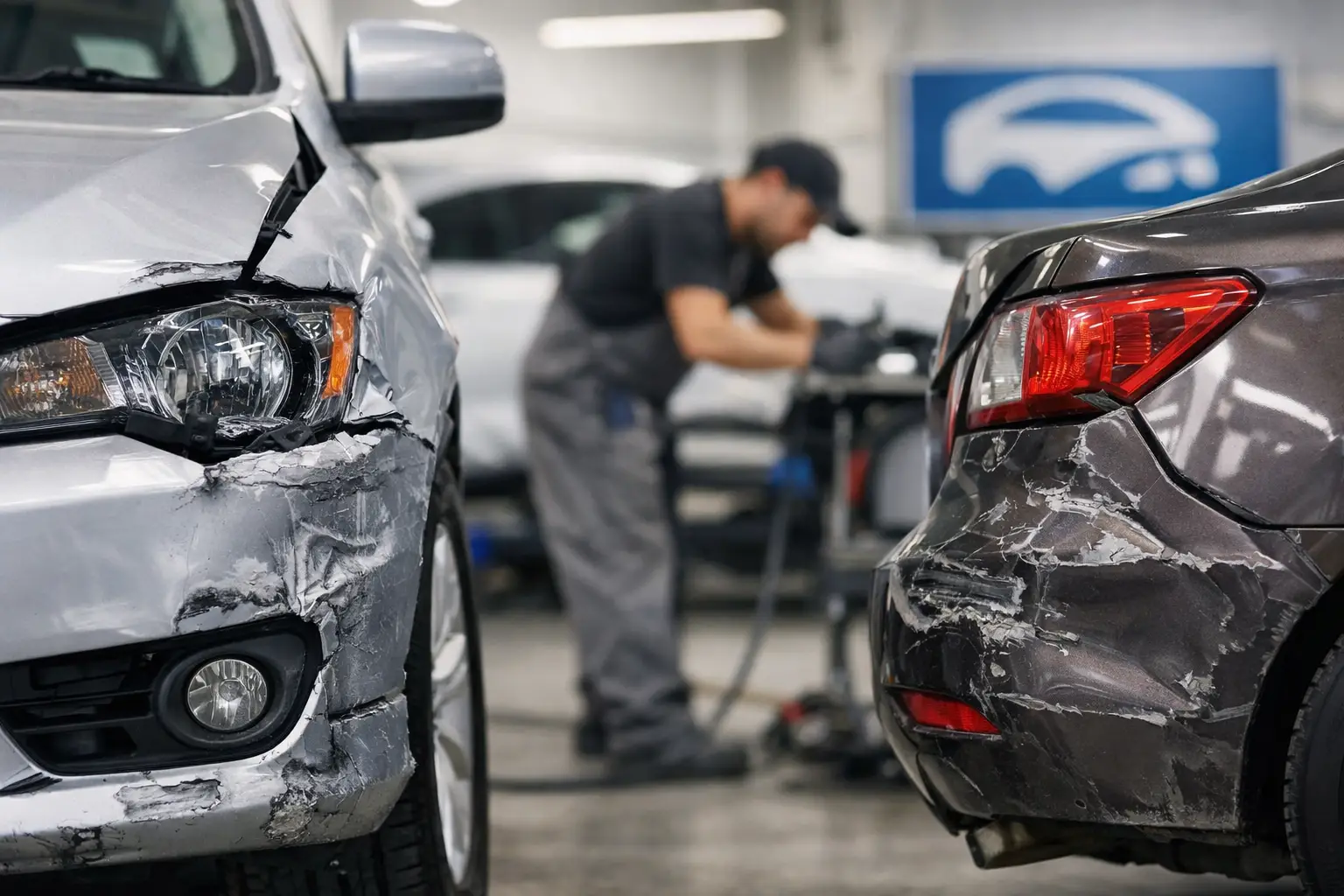
A bumper scuff in a parking lot can look minor until the paint starts peeling, the panel shifts, or a hidden bracket underneath turns out to be cracked. That is usually the real question behind what damage needs body repair – not just what looks bad, but what can affect safety, value, fit, and long-term reliability.
Some vehicle damage is obviously serious. A crushed fender, a broken headlight, or a door that will not close properly clearly needs attention. The harder calls are the smaller dents, scraped bumpers, chipped paint, and light collision damage that seem easy to ignore. In many cases, what looks cosmetic on the surface can involve underlying damage that only shows up during a proper inspection.
What damage needs body repair after an accident?
Body repair is needed whenever damage affects the vehicle’s exterior panels, structural components, paint finish, alignment of body parts, or safety-related mounting areas. That includes more than major collisions. It can also include low-speed impacts, backing into poles, shopping cart damage, hail dents, and damage from road debris.
A good rule is simple: if the impact changed the shape, finish, or fit of any part of the vehicle, it is worth having checked. Modern vehicles are designed with energy-absorbing parts that can deform even in light accidents. That is good for occupant protection, but it also means visible damage does not always tell the whole story.
Cosmetic damage that still deserves repair
Not every repair is about structural integrity. Cosmetic damage matters too, especially when it exposes metal, weakens the paint system, or lowers resale value.
Scratches that only affect the clear coat may be relatively minor, but deeper scratches that cut into the paint and primer can lead to corrosion. Paint chips around the hood, wheel arches, and doors are common trouble spots because they are exposed to moisture, dirt, and road salt. Left alone, a small area can spread and become more expensive to fix later.
Dents are another example. A shallow dent in a door or quarter panel may not stop the vehicle from driving normally, but it can stretch metal, crack paint, or interfere with panel alignment. On newer vehicles, even a modest dent near sensors or cameras can become more than a cosmetic issue.
Scuffed bumpers also get underestimated. Because bumpers are made to absorb impact, they can hide internal damage behind a surface mark. The outside may only show a scrape, while absorber foam, reinforcement bars, mounts, or sensor brackets underneath may be compromised.
What damage needs body repair for safety reasons?
This is where professional evaluation matters most. Certain damage goes beyond appearance and should be repaired promptly because it can affect how the vehicle protects you in the next collision.
Damage to the frame or unibody structure is the clearest example. Many drivers still use the word frame loosely, but most passenger vehicles rely on a unibody structure. If impact forces have shifted those structural points, the vehicle may no longer respond as designed in another crash. That can affect crumple zones, suspension geometry, steering feel, and even tire wear.
Damage around doors, rocker panels, pillars, roof rails, and floor sections also matters because these areas contribute to occupant protection. A door that looks only slightly misaligned may signal damage to hinges, latch points, or surrounding structure. If it does not seal or latch correctly, that is not something to postpone.
Bumper damage can also become a safety issue when impact sensors, parking sensors, blind spot components, or ADAS hardware are involved. Many vehicles now have driver assistance systems mounted behind the bumper cover, windshield, grille, or mirrors. A minor collision can knock those systems out of position even if the vehicle still seems to drive fine.
Lighting damage belongs in this category too. Cracked headlight housings, broken taillights, and shifted lamp assemblies affect visibility and can allow moisture inside electrical components. That is both a safety issue and a repair issue.
Signs the damage may be more than cosmetic
There are a few practical warning signs that suggest the vehicle needs body repair right away. Panels that no longer line up evenly, doors or trunks that stick, unusual gaps around the hood or bumper, new wind noise, water leaks, and warning lights after an impact all deserve attention.
You may also notice the car pulling slightly, the steering wheel sitting off-center, or vibrations that were not there before. Those symptoms can involve mechanical problems, but they often appear alongside body or structural damage after a collision.
Minor damage vs. damage that can wait
Not every issue is urgent in the same way. A light surface scuff on a plastic bumper may be mostly aesthetic. A tiny door ding with no paint damage may be a candidate for paintless dent repair rather than conventional bodywork. On the other hand, the same-looking dent on an aluminum panel, body line, or sensor area may require a more involved repair.
This is where repair decisions depend on location, material, and depth of damage. Steel, aluminum, plastic, and composite parts all behave differently. Luxury vehicles and EVs often require stricter repair procedures, and some damaged parts are replaced rather than repaired to maintain manufacturer standards.
The cheapest option upfront is not always the best outcome. Delaying repair can allow rust to start, moisture to enter damaged components, or small alignment issues to put extra stress on adjacent parts. If the vehicle is leased or you plan to sell it later, visible damage can also reduce value more than many drivers expect.
What damage needs body repair instead of a quick touch-up?
A touch-up makes sense for very small paint chips or isolated blemishes when the substrate underneath is intact. Once damage includes cracked paint, bent metal, broken tabs, distorted plastic, or poor panel fit, a quick cosmetic fix is usually not enough.
For example, a bumper corner that keeps popping out is not just a paint problem. It may have broken retainers or mounting damage. A crease in a fender often means the metal has stretched beyond what a simple polish or touch-up can address. And if the repair area involves factory sensors, cameras, or calibration targets, precision matters far more than surface appearance alone.
That is why a proper estimate should look at repairability, not just visible marks. A skilled shop will assess the outer panel, the hidden attachment points, and any systems connected to that area before recommending repair or replacement.
Why modern vehicles need more precise body repair
Older vehicles could sometimes tolerate rougher bodywork without creating bigger problems. Newer vehicles are less forgiving. Body panels interact with advanced safety systems, tighter tolerances, and manufacturer repair standards that affect everything from crash performance to sensor calibration.
That is especially true for EVs and premium vehicles. Battery protection zones, specialized materials, and brand-specific procedures can change how damage should be handled. Even routine refinishing work requires care because paint matching, surface prep, and curing all influence the final result.
A body repair shop should not just make the car look straight again. It should restore the vehicle to pre-accident condition as closely as possible, using the right repair method for that model and that damage pattern.
When to get an inspection
If you were involved in any collision, even a low-speed one, it is smart to schedule an inspection as soon as possible. The same applies if another driver hit your parked car, you backed into a fixed object, or you noticed fresh cracking, peeling paint, or a loose bumper after impact.
Photos can help document damage, but they rarely tell the full story. An in-person assessment is the best way to determine what damage needs body repair and whether hidden issues are present. For many drivers, this also helps with the insurance side because the repair process becomes clearer once the damage is properly documented.
At a shop like Golden Empire Collision, that inspection should come with a straightforward explanation of what is cosmetic, what affects safety, what can be repaired, and what may need replacement. That clarity matters when you are trying to make a good decision quickly and get back on the road with confidence.
The best time to repair body damage is usually earlier than you think. Not because every scrape is an emergency, but because small problems have a way of turning into bigger, more expensive ones when they are ignored. If something looks off, feels off, or no longer fits the way it should, trust that instinct and get it checked.